
Why Does Skin Whitening Never Seem to Work? 5 Common Mistakes to Avoid
20/01/2026

Many people spend months, even years, trying to whiten their skin, yet the result is still dull, uneven-toned skin. The feeling of “constantly caring for the skin but never getting whiter” leads many to doubt the effectiveness of cosmetics. In reality, skin whitening itself is not wrong-the problem lies in how it is understood and practiced. Without a clear grasp of the skin’s biological mechanisms and the factors that influence pigmentation, all whitening efforts are likely to reach a dead end.
This article from Nguyen Ba Chemical will help you understand why skin whitening efforts often fail, while also pointing out the right, scientific, and sustainable approach to facial and body skin whitening.
What is skin whitening? Why can't skin become white quickly?
Skin whitening is a controlled process of intervening in the formation and distribution cycle of melanin to help the skin become brighter and more even-toned - it does not mean completely changing one’s natural skin color.
Quickly distinguishing three commonly misunderstood concepts:
- Skin whitening: Gradually improves skin tone in line with the skin’s biological cycle.
- Skin brightening: Focuses on reducing dullness and increasing clarity and radiance.
- Instant whitening: Uses aggressive methods that may pose risks to the skin barrier.
From a biological perspective, skin color is largely influenced by melanin, a pigment that protects the skin from UV radiation. Excessive or improper inhibition of melanin does not make the skin whiter; instead, it can weaken the skin, cause darkening, and lead to instability in skin tone.
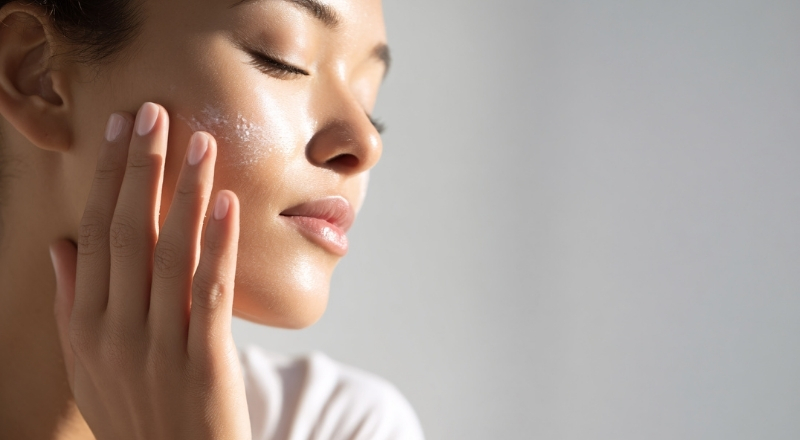
Why doesn't the skin improve even after long-term whitening care?
Many people maintain a very consistent skin-whitening routine over a long period of time, yet their skin tone does not become brighter—some even notice increased dullness and loss of vitality. The feeling of “whitening endlessly without results” often does not come from using the wrong products, but rather from a misunderstanding of the causes of skin darkening and how the whitening process actually works.
Misidentifying the root causes of dull or darkened skin
A common mistake is assuming that dark or dull skin is simply due to a lack of whitening ingredients. In reality, skin can become darker for many different reasons, and not all of them can be resolved through whitening alone.
In dermatological practice and real-world skincare, skin darkening commonly results from:
- Excessive melanin production triggered by UV exposure or hormonal imbalance.
- Chronic underlying inflammation caused by irritation or improper treatments.
- Naturally darker skin tone influenced by genetic factors.
When the skin is darkened due to inflammation or a damaged skin barrier, continuously intensifying facial or body whitening routines rarely leads to noticeable improvement. The skin must first be stabilized; only then can the complexion brighten in a natural and sustainable way.
Whitening the skin without proper sun protection
UV radiation continuously stimulates melanocytes to produce melanin. In this situation, all whitening ingredients are effectively “neutralized” day by day.
Common mistakes include:
- Only using sunscreen when exposed to strong sunlight.
- Not reapplying sunscreen.
- Skipping sun protection for the neck and body.
One often-overlooked point is that UV rays are present even indoors. Light passing through glass windows, reflected light from floors, or even light from electronic screens can contain UVA—rays that penetrate deeply into the skin and stimulate melanin activity. Therefore, even without direct sun exposure, the skin is still at risk of darkening if it is not properly protected.
Under these conditions, the whitening process becomes a cycle of brightening the skin while simultaneously allowing it to darken again every day. This is why many people feel that despite long-term effort, their skin never becomes noticeably whiter.
Overusing whitening actives can backfire
In pursuit of fast results, many people combine multiple whitening actives or increase the frequency of using strong products. When the skin does not have enough time to adapt, the skin barrier weakens and silent inflammation can occur.
At this point, the skin tends to respond by increasing pigmentation as a self-protection mechanism, making the complexion look duller and less translucent. This explains why, in some cases, the more intensely people focus on whitening, the more lifeless their skin appears.
Forcusing only on external care while ignoring internal factors
Skin tone is directly influenced by hormones, sleep quality, stress levels, and nutrition. When the body is out of balance, melanin production tends to increase. In such cases, even a well-structured whitening routine delivers very limited results. Skin whitening is truly effective only when the body is stable from within.
Changing products too frequently without giving the skin enough time
Skin renewal requires time for visible changes in tone to appear. The average skin renewal cycle lasts about 28–40 days, and can be even longer for mature skin. To properly evaluate whitening results, at least 6–8 weeks are needed.
Constantly switching products prevents the skin from adapting, increases the risk of irritation, and disrupts pigment stability-leading to the impression that whitening care is ineffective.
How does skin whitening work biologically?
Skin whitening is not an instant “brightening switch,” but a series of controlled biological processes occurring within the skin. Understanding this mechanism makes it easier to see why whitening takes time and why improvement can be slow even with consistent care.
From a biological and cosmetic chemistry perspective, whitening typically acts on multiple stages of the pigmentation process simultaneously:
- Reducing melanin production: Whitening actives act on melanocytes to slow down melanin synthesis rather than completely eliminating pigment, in order to avoid disrupting normal skin physiology.
- Limiting melanin transfer to the skin surface: After being produced, melanin is transported to the stratum corneum. When this process is controlled, pigment accumulation on the skin surface gradually decreases, helping the skin appear brighter and more even-toned over time.
- Promoting keratinocyte turnover: Supporting natural exfoliation helps remove old cells that contain higher levels of melanin, allowing newer, lighter-toned skin cells to emerge.
- Stabilizing the skin barrier and reducing underlying inflammation: Low-grade chronic inflammation continuously triggers melanin production. When the skin barrier is restored, the skin becomes less reactive, and pigmentation is better regulated.
From a cosmetic formulation standpoint, an effective whitening product should not focus solely on rapid brightening. It must balance efficacy, safety, and skin recovery. Strong melanin inhibition without adequate skin protection significantly increases the risk of rebound darkening and long-term damage.
This is why modern whitening solutions increasingly emphasize a multi-layered approach: regulating pigmentation while simultaneously supporting skin regeneration and strengthening the skin foundation, rather than targeting melanin alone as in traditional methods.
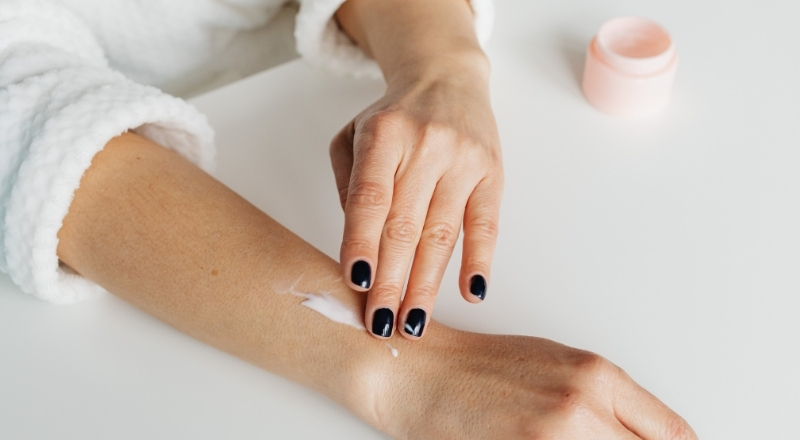
The natural limits of skin whitening
Skin whitening is not a process of “changing skin color,” but rather one of optimizing skin tone within its inherent biological limits. Every skin type has a baseline level of melanin determined by genetics, which can only be adjusted to a certain extent through skincare.
Whitening results are often clearly limited in the following skin types:
- Naturally tan or darker skin: This group has higher baseline melanocyte activity. Even with melanin-inhibiting actives or skin renewal treatments, improvement usually stops at achieving a brighter, clearer complexion, rather than a dramatically lighter tone compared to the original skin color.
- Skin previously damaged by overuse of treatments: When the skin has been thinned or inflamed over a long period, its priority becomes self-protection. Melanin then acts as a “biological shield,” making whitening efforts ineffective until the skin barrier is fully restored.
- Post-inflammatory hyperpigmentation or chronic low-grade inflammation: Ongoing, subtle inflammation—even without obvious symptoms—continuously stimulates melanin production. Without addressing the root inflammatory factors, whitening results are only temporary and prone to quick relapse.
Therefore, evaluating whitening effectiveness should not be based on “how many shades lighter” the skin becomes, but on more realistic indicators such as improved evenness, increased clarity, greater tone stability, and reduced recurrence of darkening. When expectations exceed the skin’s biological limits, the feeling of “whitening endlessly without results” often stems from misaligned expectations rather than ineffective products or methods.
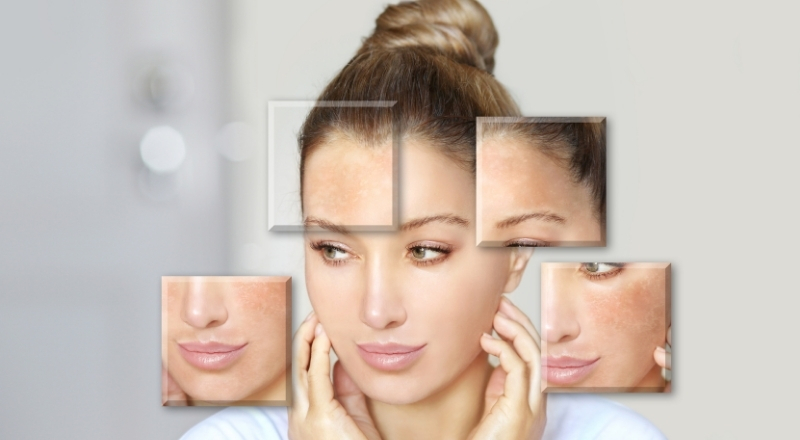
How to whiten the skin properly for the best result
In reality, skin whitening is not just about theories of melanin or biological mechanisms. For the skin to truly become brighter and show visible improvement over time, a whitening routine needs to be carried out through specific, practical steps that are easy to apply in daily life—while still respecting the skin’s scientific foundations.
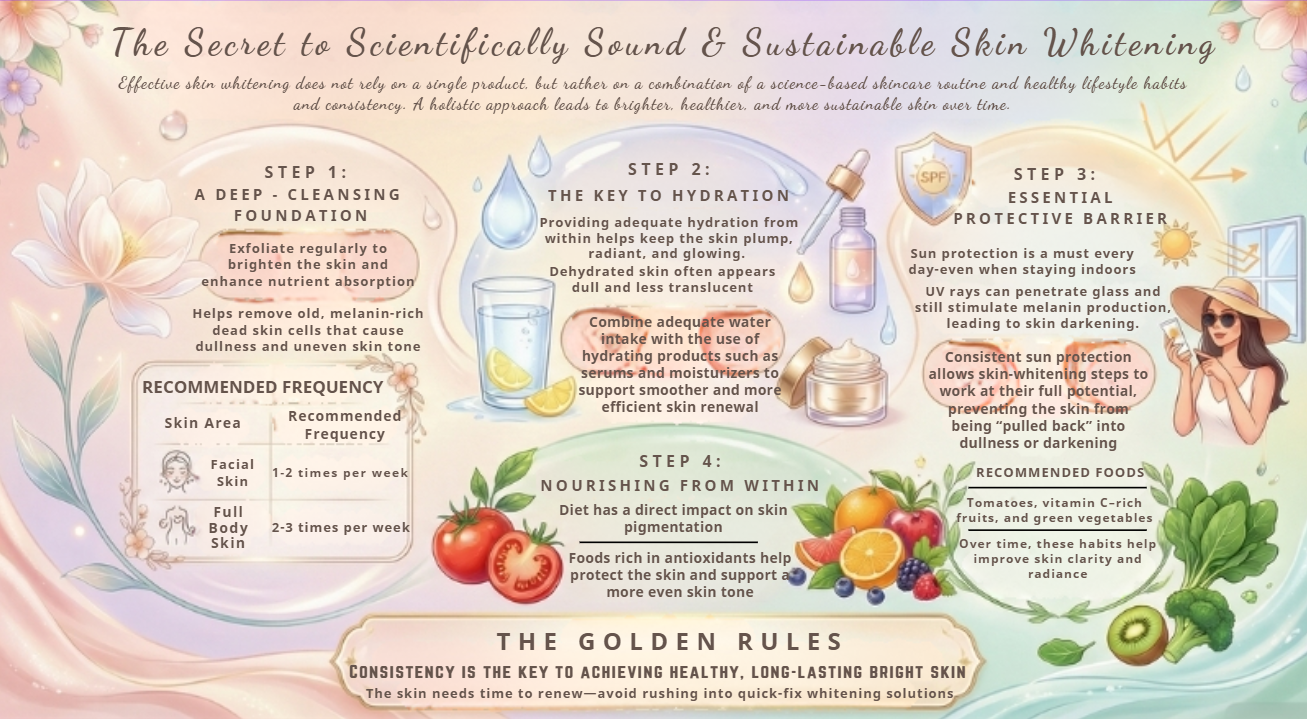
Cleanse and Exfoliate at the Right Frequency
A buildup of old keratinized cells containing high levels of melanin on the skin surface is one of the main reasons for dull-looking skin. Regular exfoliation helps the skin appear brighter and improves the absorption of whitening products.
- Facial skin: exfoliate 1–2 times per week
- Body skin: 2–3 times per week, depending on skin condition
However, exfoliating too frequently or too aggressively can weaken the skin, increase inflammation, and ultimately counteract whitening efforts.
Hydrate the Skin - Inside and Out
Dehydrated skin often looks dull, lacks clarity, and reflects light poorly. Therefore, skin whitening cannot be separated from proper hydration and maintaining optimal moisture levels.
In addition to using moisturizers and hydrating serums, drinking enough water every day plays a crucial role. When the skin is well hydrated, its renewal cycle functions more efficiently, allowing the complexion to gradually become brighter and more even-toned.
Include Foods That Support Brighter Skin
Diet directly affects skin tone through antioxidant activity and melanin regulation. Foods commonly recommended during a whitening regimen include tomatoes, vitamin C–rich fruits, and green vegetables.
These nutrients do not make the skin instantly whiter, but they help reduce oxidative stress, support skin recovery, and improve overall clarity over time. This is an important supporting factor that is often overlooked in skin-whitening routines.
Maintain Daily Sun Protection - even Indoors
Directly affects skin tone through antioxidant activity and melanin regulation. Foods commonly recommended during a whitening regimen include tomatoes, vitamin C–rich fruits, and green vegetables.
These nutrients do not make the skin instantly whiter, but they help reduce oxidative stress, support skin recovery, and improve overall clarity over time. This is an important supporting factor that is often overlooked in skin-whitening routines.
Be Patient and Keep a Consistent Routine
Skin whitening is not a process that delivers results in just a few days. The skin needs time to regenerate and regulate pigmentation. Maintaining a stable routine and healthy lifestyle habits allows the skin to improve gradually—rather than achieving fast but unsustainable whitening.
In Summary
Proper skin whitening is a combination of scientific skincare practices, suitable product choices, and long-term consistency. By avoiding impatience and quick-fix solutions, the skin can become brighter, more even-toned, and healthier over time.
Important note: Facial and body skin whitening cannot be treated the same
A common but often overlooked mistake is treating facial whitening and body whitening as the same process. In reality, these two areas have very different biological structures and levels of sensitivity, so they cannot share the same approach or products.
Facial skin has a thinner stratum corneum, a higher density of nerves and blood vessels, and is constantly exposed to sunlight, pollution, and makeup. As a result, facial skin is more prone to irritation and pigment disorders when unsuitable actives are used.
In contrast, body skin is generally thicker, less sensitive, and better able to tolerate stronger active ingredients. Therefore:
- Not all body-whitening ingredients are safe for use on the face.
- Body-whitening products often contain higher concentrations of actives, which can easily cause irritation, inflammation, or hyperpigmentation when applied to facial skin.
From a professional standpoint, effective whitening requires clearly separating facial and body whitening routines—across active ingredients, concentrations, and usage frequency. Using the wrong product on the wrong area not only reduces whitening effectiveness, but is also a key reason many people fall into a cycle where prolonged whitening leads to duller, more sensitive skin.
Conclusion
Skin whitening itself is not wrong; what matters is understanding its true nature and applying it correctly. When you grasp the skin’s biological mechanisms, its natural limits, and the importance of barrier repair, you will no longer wonder why whitening efforts seem ineffective.
Whitening is a long-term journey that requires both knowledge and patience. To gain deeper insights, you can explore more professional articles on whitening actives and ingredients from Nguyen Ba Chemical.


