
Dandruff: 7 Causes and Effective Treatments
29/12/2025
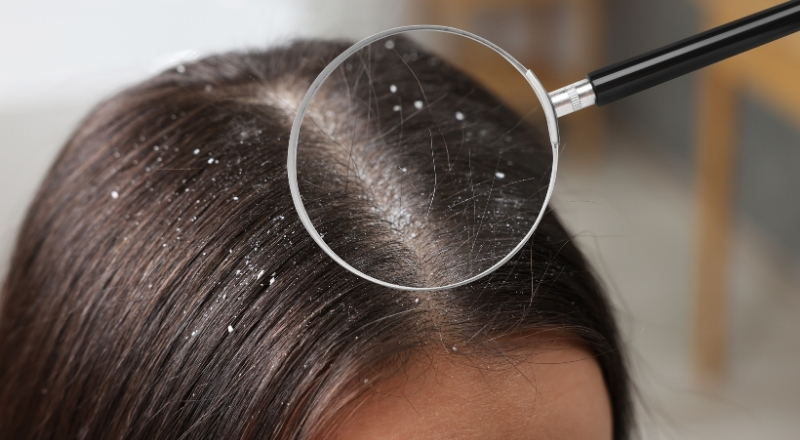
Dandruff is one of the most common scalp problems, directly affecting appearance, self-confidence, and overall hair health. This condition can occur at any age and may recur repeatedly if not treated properly.
In this article, Nguyen Ba Chemical will help you gain a clear understanding of the nature of dandruff, its causes, level of impact, and effective treatment methods based on scientific evidence that are easy to apply in practice.
What is Dandruff?
Dandruff is the abnormal overproduction and flaking of keratinized cells on the scalp, forming white or pale yellow scales. This process is closely related to the scalp’s skin cell renewal cycle, sebaceous gland activity, and the microbial ecosystem living on the skin.
Under normal conditions, scalp skin cells take about 28–30 days to renew. When this cycle is shortened, dead skin cells shed more quickly and in larger amounts, leading to the appearance of dandruff.
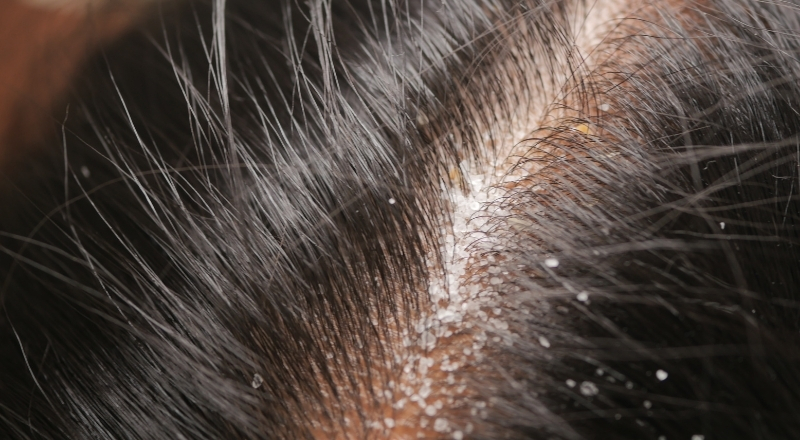
Symptoms and severity of dandruff
Early recognition of symptoms helps you control dandruff effectively and prevent complications.
Symptoms
The symptoms of dandruff are not limited to white flakes but are often accompanied by other scalp issues. Common signs include:
- White or pale yellow flakes shedding when brushing hair.
- Scalp itching, which worsens with sweating or dry weather.
- Noticeable flaking after scratching.
- Hair becomes oily quickly and loses its natural shine.
- In some cases, dandruff may be accompanied by scalp redness, mild burning, or a tingling sensation.
Severity levels of dandruff
Depending on scalp condition, dandruff can be classified into different levels:
- Mild dandruff: small flakes, minimal itching, easily controlled with suitable shampoo.
- Moderate dandruff: noticeable flaking and frequent itching.
- Severe dandruff: large flakes adhering to the scalp, possibly accompanied by inflammation.
Identifying the correct severity level helps in choosing the appropriate treatment method and avoids unnecessary use of harsh products.
Effects of dandruff
If not properly controlled, dandruff can lead to several problems:
- Negative impact on appearance and psychological well-being.
- Increased risk of seborrheic dermatitis.
- Secondary hair los caused by inflammation and excessive scratching

Causes of dandruff
Dandruff does not arise from a single factor but is usually the result of mutiple biological mechanisms combined with daily habits.
Overgrowth of Malassezia yeast
Malassezia is a type of yeast that naturally exists on the scalp. Under favorable conditions such as excess oil and high humidity, it can overgrow and break down lipids into free fatty acids, causing irritation and scalp flaking—this is the most common cause of dandruff.
Excess oil and overactive sebaceous glands
When sebaceous glands produce too much oil, the scalp becomes an ideal environment for fungi and bacteria to thrive. Excess oil also causes dead skin cells to stick together, forming thick dandruff flakes that are difficult to remove. This is why people with oily scalps often experience more severe dandruff and frequent recurrence. Increased oil production may be related to genetics, hormonal factors, or prolonged stress.
Dry or dehydrated scalp
A dry scalp causes the stratum corneum to lose elasticity, making it prone to cracking and flaking into small scales. When the protective barrier weakens, the skin cell renewal cycle shortens, leading to dry dandruff that easily falls onto hair and shoulders. This condition often occurs with overly frequent washing, use of hot water, or harsh cleansing shampoos.
Unsuitable hair care products
Shampoos containing strong sulfates, drying alcohols, or heavy fragrances can damage the scalp’s lipid barrier. When the scalp becomes irritated, sebaceous glands may become overactive or skin shedding may increase, causing dandruff to appear and persist.
In addition, frequently changing hair care products can increase the risk of disrupting scalp balance.
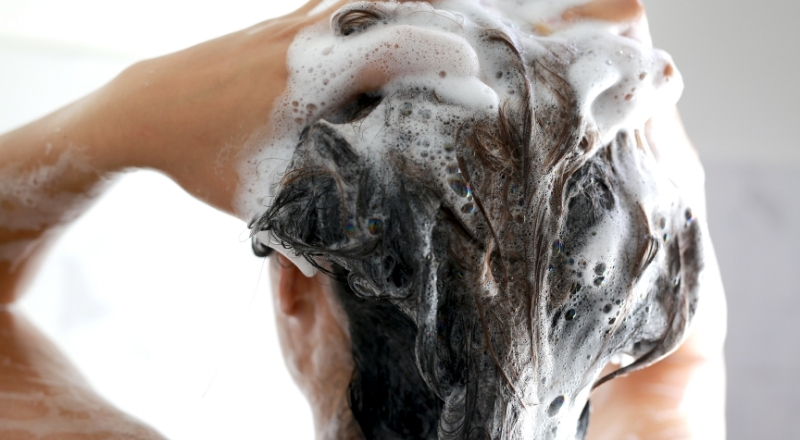
Scalp disorders
Certain dermatological conditions such as seborrheic dermatitis, scalp psoriasis, or contact dermatitis can present with symptoms similar to dandruff but are more severe and persistent. These cases are often accompanied by redness, intense itching, or hair loss and require proper diagnosis and specialized treatment.
Stress, nutrition, and hormonal factors
Prolonged stress weakens the skin’s immune function and affects sebaceous gland activity. In addition, deficiencies in B vitamins, zinc, or hormonal imbalances can compromise scalp health, making it more prone to flaking and dandruff formation.
Other causes
Dandruff can also be influenced by external factors such as hot and humid environments, frequent helmet use, pollution, or improper scalp hygiene, all of which increase the likelihood of recurrence if not well controlled.
Effective dandruff treatment
Once the underlying causes are identified, choosing the appropriate treatment method becomes the key factor in effectively managing dandruff.
Adjusting scalp care habits
Some important principles include:
- Wash your hair 2-3 times per week.
- Use warm water, avoid overly hot water.
- Do not scratch the scalp aggressively.
- Dry your hair completely after washing.
Proper habits can significantly reduce the risk of dandruff recurrence.
Using clinically proven anti-dandruff shampoos
Anti-dandruff shampoos should contain active ingredients that have been scientifically studied and proven effective. Common ones include:
- Zinc Pyrithione: Helps fight fungi, reduce flaking, and control mild to moderate dandruff.
- Ketoconazole: Inhibits the growth of Malassezia suitable for dandruff caused by fungal overgrowth.
- Selenium Sulfide: Slows down excessive skin cell turnover, helping reduce persistent dandruff.
- Menthol crystal: Provides a cooling sensation, relieves itching, and soothes the scalp; it plays a supportive role rather than being a primary anti-dandruff agent.
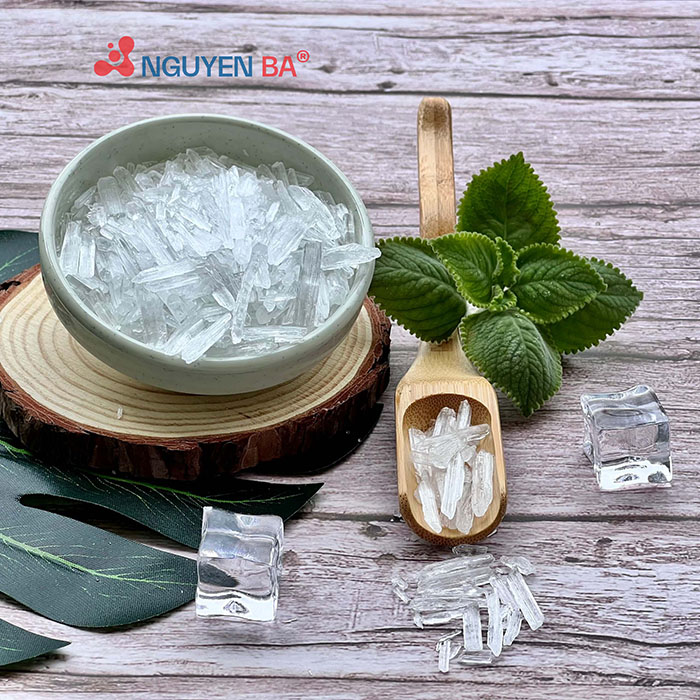
However, it is important to note that not all anti-dandruff shampoos are suitable for every scalp type. Choosing the wrong product or using it incorrectly may cause dryness, irritation, and worsen dandruff. Therefore, users should carefully review ingredients, identify their scalp condition, and monitor skin reactions during use to achieve the best results.
Treating dandruff with natural and at-home methods
In addition to specialized anti-dandruff products, some natural remedies are commonly used thanks to their easy-to-find ingredients, low cost, and roots in traditional experience. However, these methods are only suitable for mild dandruff, serve a supportive role, and should not replace medical treatment when dandruff is related to fungal infections or scalp disorders.
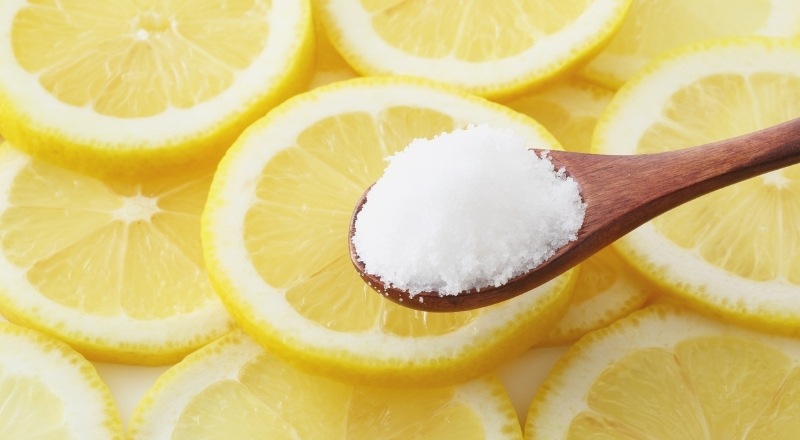
Treating dandruff with lemon
Lemon contains citric acid, which helps remove excess oil and support scalp pH balance, thereby limiting the growth of dandruff-causing microorganisms.
How to use:
- Dilute fresh lemon juice with clean water in a 1:1 ratio.
- Gently apply to the scalp after shampooing and massage for 2-3 minutes.
- Rinse thoroughly with cool water.
This method should only be applied once a week. Avoid using it on irritated or damaged scalps, as it may cause dryness and stinging.
Treating dandruff with apple cider vinegar
Apple cider vinegar has mild acidic properties that help balance scalp pH and limit the growth of dandruff - causing microorganisms.
How to use:
- Dilute apple cider vinegar with water in a 1:2 ratio.
- Apply evenly to the scalp after shampooing.
- Gently massage for 2–3 minutes, then rinse thoroughly.
Note: Apply 1–2 times per week. Do not use on broken skin or severely irritated scalps.
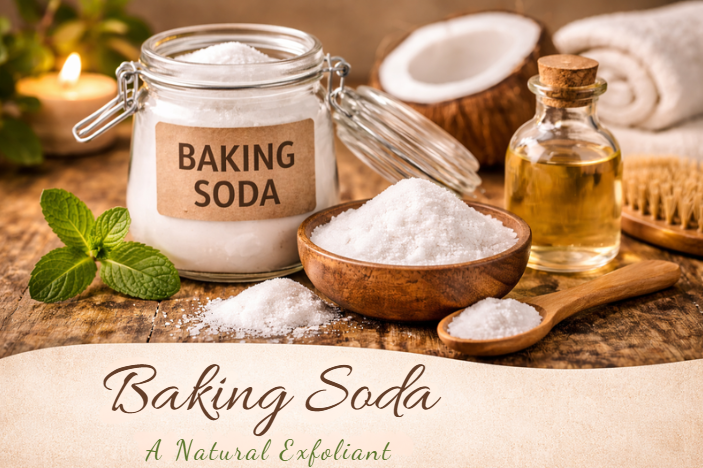
Baking soda - a natural exfoliant
Baking soda helps cleanse and remove flaking keratin layers. This method is only suitable for healthy scalps without inflammation.
How to use:
- Mix baking soda with water to form a paste.
- Apply to wet scalp and gently massage for 1-2 minutes.
- Rinse and wash again with a mild shampoo.
Note: This method should not be used frequently - at most 1-2 times per month - and is not suitable for sensitive or inflamed scalps.
Treating dandruff with salt
Salt helps cleanse excess oil, remove dead skin cells, and improve scalp ventilation.
How to use:
- Dissolve fine salt in warm water.
- Apply the solution to the scalp and gently massage for 2–3 minutes.
- Rinse and wash again with a mild shampoo.
Note: Use only once per week and avoid harsh rubbing, as it may cause dryness or scalp abrasions.
How to prevent dandruff from coming back
To minimize dandruff recurrence, it is important to maintain consistent and appropriate scalp care, avoiding frequent product changes that can disrupt scalp balance. The scalp should be kept clean and well-ventilated, and prolonged dampness or occlusion of the hair should be avoided.
At the same time, a healthy lifestyle plays a crucial role in maintaining scalp health. Getting enough sleep, reducing stress, and maintaining proper nutrition help strengthen the scalp’s natural defense mechanisms, thereby lowering the risk of dandruff returning.
Early recognition of mild symptoms and timely adjustments are more effective in controlling dandruff than waiting until the condition becomes severe.
Conclusion
Dandruff is a common scalp issue but can be effectively managed with a proper understanding of its causes and the application of suitable solutions. From adjusting daily habits and choosing products containing appropriate active ingredients such as menthol crystal, to long-term prevention strategies, each step plays an important role.
Nguyen Ba Chemical is committed to providing reliable knowledge and high-quality ingredients, helping businesses and consumers develop scalp care solutions that are safe, effective, and sustainable.


