
What Are Cosmetic Ingredients? Classification, Standards, and Applications in Manufacturing
10/01/2026
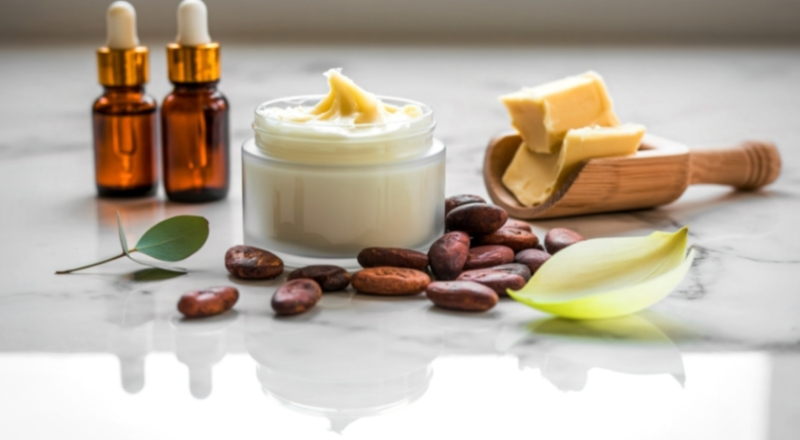
Cosmetic ingredients are the core foundation that determines the effectiveness, safety, and commercial viability of all skincare, haircare, and body care products. In a market where regulations are becoming increasingly stringent and consumers are more knowledgeable than ever, choosing the right ingredients is no longer a competitive advantage—it is a mandatory requirement.
This article from Nguyen Ba Chemical will help you clearly understand the true nature of cosmetic ingredients, how they are classified, quality control standards, and the latest trends for 2026. From there, you can make informed decisions when purchasing cosmetic raw materials or selecting a long-term cosmetic ingredient supplier.
What are cosmetic ingredients?
Cosmetic ingredients are all the components used directly in the formulation process to create a complete cosmetic product. These ingredients not only form the product’s structure but also determine its function, sensory experience, and level of safety for the skin, hair, and other sensitive biological areas.
Unlike packaging materials, auxiliary components, or manufacturing equipment, cosmetic ingredients come into direct contact with the user’s body. Therefore, they must strictly comply with chemical, microbiological, and regulatory standards as required by the cosmetics industry.
In practice, a cosmetic formula may contain anywhere from a few dozen to hundreds of different ingredients. Each ingredient serves a specific role—such as cleansing, moisturizing, preservation, texture formation, or delivering biological activity—while also needing to remain compatible and stable with all other components in the formula.
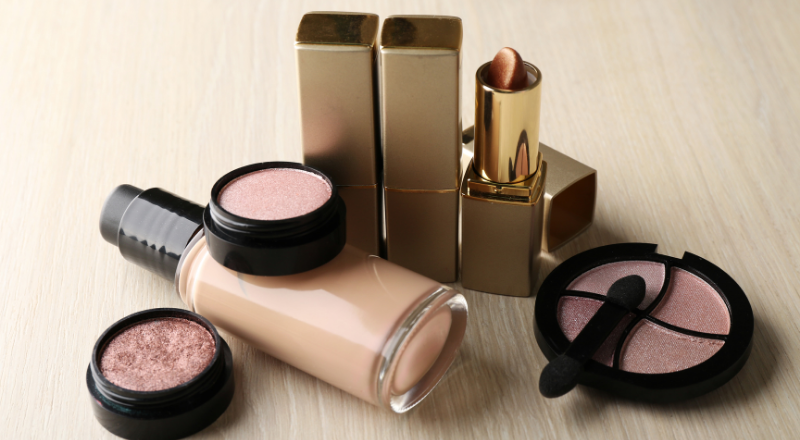
The role of cosmetic ingredients in finished products quality
The quality of a cosmetic product depends directly on the quality of its input ingredients. Even with a correct formula and standardized manufacturing processes, poor-quality raw materials can still lead to product instability, reduced effectiveness, or potential irritation risks.
First, ingredients affect the product’s physical and chemical stability. Raw materials that lack sufficient purity or compatibility can cause phase separation, color changes, or odor alterations over time.
Second, ingredients determine biological efficacy. For example, the same anti-aging active ingredient may deliver completely different absorption rates and skin effects depending on its source and processing technology.
Third, ingredients are directly linked to safety and regulatory compliance. Cosmetics that use ingredients of unclear origin or exceed permitted limits are at high risk of being recalled, penalized, or losing market trust.
For these reasons, professional brands always prioritize working with cosmetic ingredient suppliers that have clear and reliable quality control systems.
Classification of cosmetic ingredients
Cosmetic ingredients are classified based on their function within a formula and their direct impact on the skin, hair, or the product’s overall stability. Understanding each ingredient group helps manufacturers choose the right components, optimize performance, and ensure safety throughout the cosmetic product’s lifecycle.
Preservatives in Cosmetics
Preservatives play a crucial role in preventing the growth of bacteria, yeast, and mold in cosmetic products—especially water-based formulations. This is a mandatory ingredient group to ensure microbiological safety throughout a product’s shelf life.
- Phenoxyethanol: A broad-spectrum preservative effective against Gram-negative bacteria; low odor and highly compatible with many skincare formulations.
- Ethylhexylglycerin: Commonly used in combination to enhance preservative efficacy, while also providing skin-softening benefits.
- Sodium Benzoate / Potassium Sorbate: Suitable for low-pH formulations and often found in mild or sensitive-skin–oriented cosmetics.
Selecting an appropriate preservative system requires careful consideration of pH, product type, and target users to minimize irritation while maintaining effectiveness.
Hair Care Ingredients
This group of ingredients acts directly on the hair fiber, helping to improve smoothness, reduce damage, and protect hair from mechanical or heat-related stress.
- Panthenol (Vitamin B5): Moisturizes hair strands, improves elasticity, and reduces breakage.
- Hydrolyzed Proteins (Keratin, Silk, Wheat): Supply amino acids that strengthen hair and help repair surface damage.
- Silicones (Dimethicone, Amodimethicone): Form a protective film that enhances shine and makes hair easier to detangle after use.
Hair care ingredients must be carefully balanced in concentration to avoid buildup that can weigh hair down with long-term use.
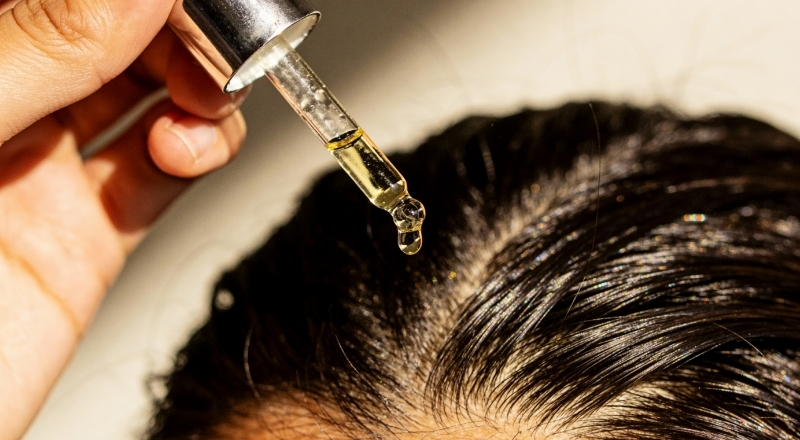
Concealing Agents
Concealing agents determine coverage level, color, and overall aesthetics of makeup products such as foundations, cushions, and concealers.
- Titanium Dioxide: A mineral pigment with high coverage that also provides physical UV protection.
- Iron Oxides: Create natural-looking, long-lasting color and are considered safe for skin; commonly used in base makeup products.
- Mica: Provides a light-reflecting effect, enhancing smoothness and improving the sensory feel on the skin.
These ingredients require high purity and strict heavy metal control to ensure safety during long-term use.
Anti-Irritation Ingredients
This group helps soothe the skin, reduce inflammatory responses, and improve skin tolerance - especially important for sensitive skin types.
- Allantoin: Soothes the skin, supports regeneration, and reduces mild irritation.
- Bisabolol: Derived from chamomile, known for its anti-inflammatory and calming effects.
- Madecassoside: An active compound from Centella asiatica that helps repair the skin barrier and reduce redness and discomfort.
Anti-irritation ingredients are commonly incorporated into formulations designed for sensitive skin or post-treatment care.
Anti-Aging Ingredients
Anti-aging ingredients act directly on the processes that degrade skin structure, helping to improve elasticity and reduce wrinkle formation.
- Retinol (vitamin A derivatives): Promotes cell renewal, improves skin texture, and reduces wrinkles.
- Peptides: Help stimulate collagen production, resulting in firmer skin.
- Vitamin C (Ascorbic Acid and derivatives): A powerful antioxidant that brightens the skin and improves tone evenness.
Selecting the appropriate active form and concentration is crucial to achieving effectiveness while minimizing irritation.

Sunscreen Agents
Sunscreen agents protect the skin from the harmful effects of UVA and UVB rays, helping to prevent premature aging and skin damage.
- Zinc Oxide: A physical sunscreen that offers broad-spectrum protection and is suitable for sensitive skin.
- Titanium Dioxide: Primarily protects against UVB rays and is often combined with other filters to enhance overall protection.
- Ethylhexyl Methoxycinnamate: A commonly used chemical sunscreen that helps increase SPF levels.
This group of ingredients is strictly regulated in terms of concentration and permitted usage under cosmetic regulations.
Common mistakes when using cosmetic ingredients
During the manufacturing process, improper use of cosmetic ingredients is a major reason why products fail to meet market circulation requirements—especially those related to microbiological safety, stability, and active content limits set by regulations. A common mistake is selecting ingredients with unclear origins or incomplete technical documentation, which makes quality control, safety assessment, and product registration procedures difficult.
In addition, many formulations encounter risks due to a lack of compatibility assessment between ingredients, leading to phase separation, color changes, or loss of activity over time. As a result, products may fail required testing standards. Using incorrect concentrations - particularly for preservatives and functional actives - can cause levels to exceed or fall below declared standards, increasing the risk of irritation and legal non-compliance.
Furthermore, improper storage conditions for raw materials, or blindly following trends with new ingredients without thorough evaluation of stability and real-world applicability, significantly increases the risk of quality loss. Finally, the absence of stability testing, microbiological testing, and pre-production evaluation is a key reason many products fail to qualify for market release when scaled up for commercial production.

Standards & quality control of cosmetic ingredients
Cosmetic ingredients must meet strict quality and safety standards before being used in production, as they come into direct contact with the skin and hair. Controlling ingredient quality from the very beginning helps minimize risks and ensures the stability of the finished product.
From a technical perspective, ingredients must meet requirements for purity, chemical composition, and microbiological safety. This information is typically documented through materials such as COA (Certificate of Analysis) and MSDS (Material Safety Data Sheet). These documents allow manufacturers to assess whether an ingredient is suitable for a specific formula and its intended conditions of use.
In addition, cosmetic ingredients must comply with current legal regulations and must not fall under prohibited or restricted substance lists. Choosing cosmetic ingredient suppliers with clear origins, proper storage conditions, and full batch traceability is a critical factor in maintaining consistent quality and ensuring product safety once it is released to the market.
Cosmetic ingredient trends in 2026
In 2026, cosmetic ingredient trends focus on three core pillars: user safety, sustainable effectiveness, and transparency of origin. Consumers are no longer concerned only with product performance, but also with how ingredients are created and their impact on the environment.
Sustainable and eco-friendly ingredients continue to be a top priority. Biodegradable materials, renewable sources, and responsibly sourced ingredients are gradually replacing traditional petrochemical-based materials, helping to reduce environmental impact and enhance brand credibility.
At the same time, biotechnology-based ingredients are becoming increasingly popular due to their high purity, stability, and strong biological performance. Peptides, enzymes, and fermented extracts improve absorption and align well with the growing trend of product personalization.
Another notable direction is the emphasis on skin barrier protection. Ingredients such as ceramides, niacinamide, and prebiotic–postbiotic systems are being used more widely to improve skin tolerance and reduce irritation during long-term use.
Additionally, cosmetics in 2026 place greater emphasis on protecting the skin from environmental stressors such as pollution, UV radiation, and blue light through the use of powerful antioxidants. Alongside this, supply chain transparency and ingredient traceability are becoming essential criteria in ingredient selection and product development.

Cosmetic ingredient trends focus on safety, sustainability, and skin protection
Conclusion
Cosmetic ingredients are not merely components that form a product - they are the key factors that determine quality, safety, and competitiveness in the market. Understanding how ingredients are classified, the standards they must meet, and emerging trends enables businesses to make the right decisions from the very beginning.
If you are looking for a reliable, transparent cosmetic ingredient supplier that stays up to date with the latest trends, Nguyen Ba Chemical is a trusted partner, offering a diverse ingredient portfolio and a clear, well-structured quality control system.


